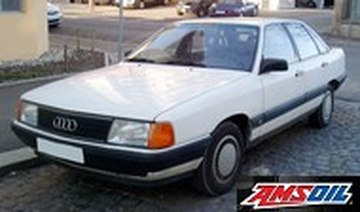
Lubrication Maintenance for the 1983 Audi 5000 2.2L
Maintaining the engine lubrication system in a 1983 Audi 5000 with the 2.2L engine requires consistent attention to fluid condition and component integrity. As vehicles age, the methods used to monitor and manage engine oil become increasingly important for ensuring the longevity of internal components. Proper care involves not only regular fluid changes but also a proactive approach to inspecting the various seals, hoses, and connections that comprise the engine's environment.
Monitoring Fluid Condition and Consumption
One of the most effective ways to monitor the health of the 2.2L engine is through regular observation of the oil itself. Changes in the appearance or smell of the lubricant can serve as early indicators of underlying issues. For instance, if the oil appears excessively dark or contains visible particulates, it may suggest that the oil has undergone significant thermal stress or that contaminants are present.
Beyond visual inspection, owners should be mindful of any changes in how much oil the engine consumes between service intervals. While some level of consumption can occur as engines age, a noticeable increase warrants closer investigation. If you find yourself needing to add oil more frequently than previously required, it is important to determine if this is due to external leakage or internal consumption. Identifying these patterns early allows for more controlled maintenance decisions rather than reacting to sudden mechanical changes.
System Integrity and Leak Detection
A thorough inspection of the engine bay can reveal much about the current state of the lubrication system. When performing routine checks, look for signs of seepage or active leaks around various gaskets and seals. Because rubber and composite materials can become brittle over time due to heat cycles and age, inspecting these areas is a vital part of preventive maintenance.
When conducting these inspections, consider the following:
- Sealing Surfaces: Check for any oily residue around the edges of engine components where gaskets are located.
- Hoses and Connections: If equipped, inspect accessible hoses for signs of cracking, softening, or weeping at the connection points.
- Drain Areas: Examine the area around the oil drain plug and the filter mounting area to ensure there is no evidence of slow seepage.
It is important to remember that a small amount of residue does not always indicate an immediate failure, but it does provide a baseline for monitoring how those seals behave over time. Documenting these observations helps in distinguishing between a stable, aging seal and one that is actively deteriorating.
Prioritizing Long-Term Engine Care
For owners of a 1983 Audi 5000, effective maintenance is often about moving from reactive repairs to proactive management. This transition is best achieved by establishing a clear history of the vehicle's service. If you are currently unaware of the previous maintenance performed on the 2.2L engine, your first priority should be to establish a baseline.
Establishing this baseline involves performing a comprehensive inspection and documenting the current condition of all fluids and major service items. Once you have a clear understanding of the vehicle's starting point, you can prioritize tasks based on actual condition rather than guesswork. For example, an engine showing signs of minor seepage might only require monitoring, whereas an engine with significant fluid loss or evidence of overheating requires immediate attention.
Maintaining detailed records of when oil was changed, which products were used, and any observed leaks or mechanical changes will prove invaluable. These records allow you to identify trends—such as a gradual increase in oil consumption or the progressive degradation of a specific seal—enabling you to address issues before they escalate into more significant mechanical concerns.
Observing Potential Warning Signs
While many maintenance needs are identified through scheduled inspections, some require immediate attention based on what is happening during vehicle operation. If you notice unusual mechanical noises that coincide with engine operation, or if you observe changes in how the engine responds to throttle inputs, these should be investigated.
Additionally, keep a close watch for any warning indicators on the dashboard related to the lubrication system. An oil-related warning light is a critical signal that requires immediate investigation to prevent potential damage. Similarly, if you notice unusual exhaust smoke or a change in the engine's operating temperature, these symptoms can be associated with various mechanical states and should not be ignored. Because many different issues can produce similar symptoms, professional diagnosis is often necessary to pinpoint the exact cause.
Managing Aging Components
As a vehicle from 1983 continues to operate, the materials used in its construction—such as belts, hoses, and electrical connectors—will naturally undergo changes. When inspecting these components, it is more effective to look for signs of actual wear rather than assuming they need replacement simply because of their age.
If equipped, inspect accessible drive belts for evidence of cracking, glazing, or fraying. Similarly, check electrical connections and wiring for any signs of brittleness or corrosion, as these can affect the various sensors and systems that monitor engine health. By focusing on the actual physical condition of these parts, you can distinguish between components that are still performing their function reliably and those that are nearing the end of their service life.
Buying Engine Oil for your 1983 Audi 5000 2.2L
When it is time to replenish or change the lubricant in your 1983 Audi 5000 2.2L, the most important step is to ensure the product matches the specific requirements of your engine. Rather than relying on general assumptions about older vehicles, you should always match the engine oil to the application-specific viscosity information already displayed on this page.
Before making a purchase, carefully review the product labeling to confirm it meets the necessary standards for your vehicle. Depending on your specific needs and the current condition of your engine, you may encounter various options, including:
- Conventional Oils: Standard formulations suitable for many applications.
- Synthetic Blends: A combination of conventional and synthetic base oils.
- Full Synthetic Oils: Highly engineered lubricants designed for specific performance characteristics.
- High-Mileage Formulations: Some high-mileage oil formulations contain additives intended for use in aging engines, including seal-conditioning additives.
Always verify that the oil you select is compatible with the information provided in your vehicle's documentation and the application details listed above. By following the specific guidance provided on this page, you can ensure that your 1983 Audi 5000 receives the appropriate lubrication for continued operation.